The short answer
What matters most
- The £80 leave-out weave does not include hair; confirm extension requirements for the other services.
- Box braids extensions are listed at £90–£120, with the final price agreed at consultation.
- Persistent pulling and pain are reasons to reassess a style; tight styling can contribute to traction hair loss.
Choose the finish with your natural hair in mind
Think about the shape, length, weight and daily routine you want. Explain whether you need to tie the style up for work, whether you prefer access to the scalp and how you plan to maintain any leave-out. A photograph communicates a preference, but it does not show the tension or upkeep involved.
Tell the stylist about previous extensions or braids, what was comfortable and what was difficult. Include breakage, sore areas or thinning at the hairline. Ask which parts of the reference style would need to change for your own hair and scalp.
Understand the three listed services and prices
Pharmacillin lists a leave-out weave at £80 with hair not included, straight-back cornrows with extensions at £40, and box braids extensions at £90–£120 with the final price agreed at consultation. These descriptions are taken from the supplied service menu.
Confirm length, size, pattern, hair type and finishing details before purchasing extensions or choosing a date. The cornrow and box braid listings do not establish every supply inclusion. Ask the provider exactly what you need to bring and whether your chosen style fits the listed service.
- Leave-out weave — £80; hair not included.
- Straight-back cornrows with extensions — £40; confirm supply requirements.
- Box braids extensions — £90–£120; price agreed at consultation.
Ask about weight and tension before installation
AAD guidance explains that repeated pulling from tight styles can cause traction alopecia, which may become permanent. Pain is a warning that a style is too tight. Discuss hairline protection, extension weight and ways to avoid continual tension rather than asking only how long the style will last.
During installation, speak up about pulling or discomfort rather than accepting it as proof that the style is secure. Ask how the practitioner would adjust the plan if a section feels uncomfortable. A style should be reconsidered when it conflicts with the condition of your hair or scalp.
Further reading: American Academy of Dermatology: Hairstyles that pull can lead to hair loss
Plan leave-out care and scalp access
With a leave-out weave, ask how the exposed natural hair will blend and what styling is expected at home. If matching the texture would require heat more often than you want, discuss alternatives. The finish on appointment day should be considered alongside the effort needed to maintain it.
AAD weave and extension guidance emphasises caring for the underlying hair and scalp and responding to pain. Ask for a practical washing and drying routine for the exact installation. Avoid assuming that covering the hair means it does not need care until removal.
Further reading: American Academy of Dermatology: Preventing damage from weaves and extensions
Agree a maintenance plan that fits the style
Ask how to clean the scalp and hair, how to dry thoroughly, what products are appropriate and how to secure the style at night without extra pulling. The routine can differ with the extension material, installation and your scalp. Do not treat one online maintenance schedule as suitable for every weave or braid.
Clarify whether a maintenance appointment is offered, what it would involve and how it is priced. The supplied menu does not establish a separate hair-system maintenance tariff or promise a fixed wear period. Get those details from the provider rather than inferring them from the style name.
Plan removal before the first appointment ends
Ask how the style should be removed, whether removal is included or separate and when you should consider an earlier change. Waiting until the hair is severely tangled or the scalp is painful makes the decision harder. Keep instructions with the service record so you can return to them.
Avoid pulling extensions out or leaving uncomfortable areas in place just to reach a planned date. If a style needs alteration, ask the provider for advice. Discuss a break from tension and the condition of the natural hair before deciding on the next installation.
Know when to seek a scalp assessment
Persistent soreness, an active rash or noticeable thinning deserves appropriate assessment. NHS hair-loss guidance explains that worrying hair loss should be discussed with a GP. A salon service can discuss appearance and routine, but it cannot establish every medical cause of shedding or scalp discomfort.
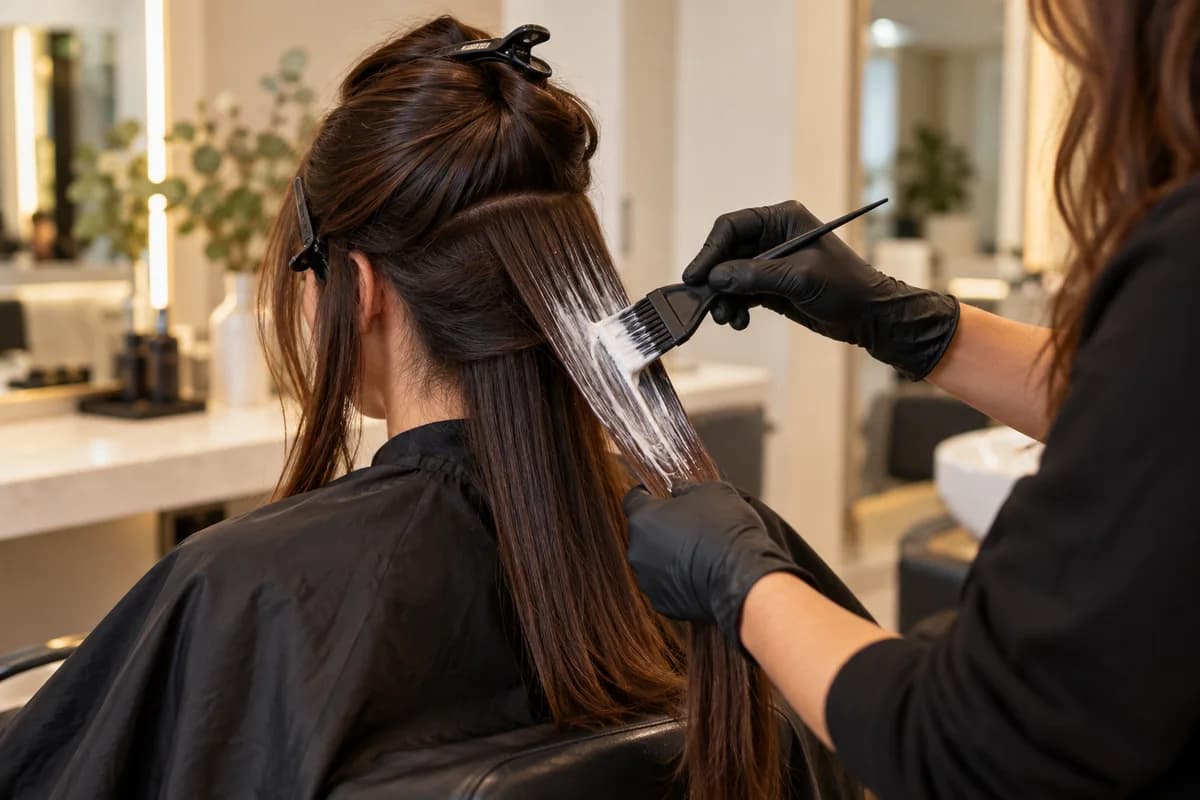
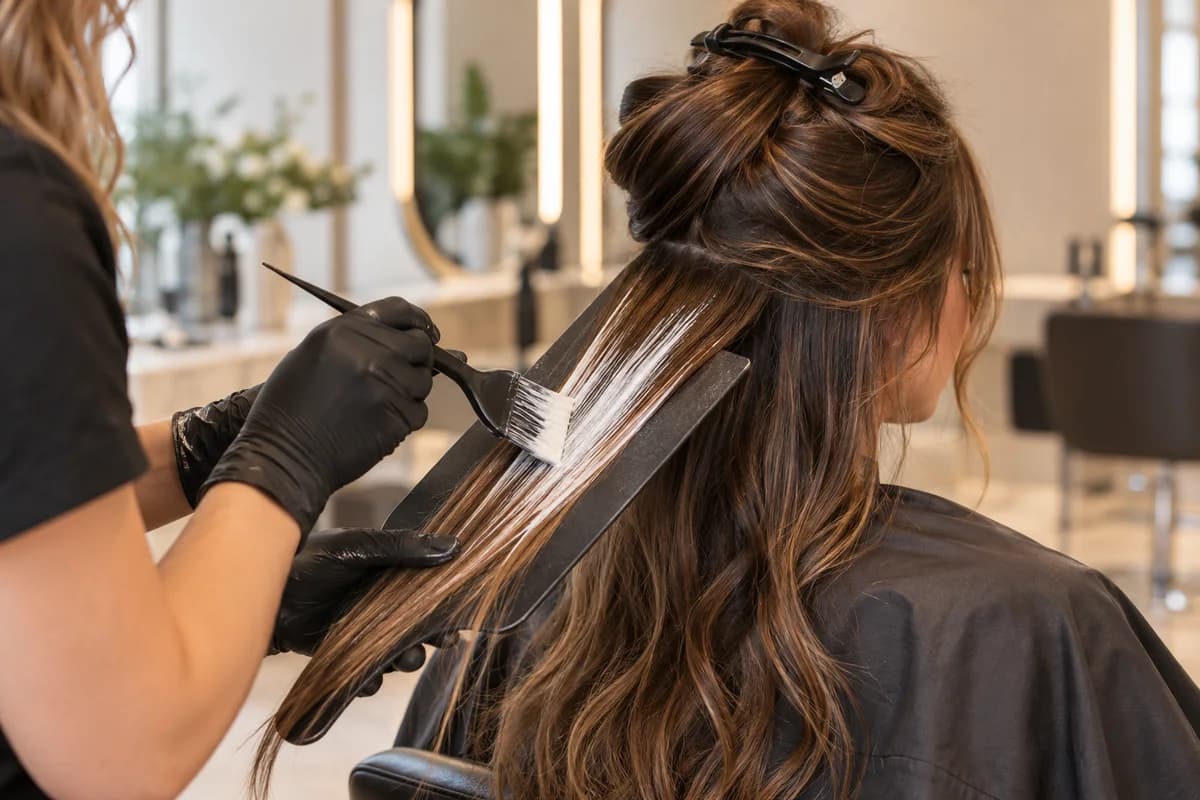
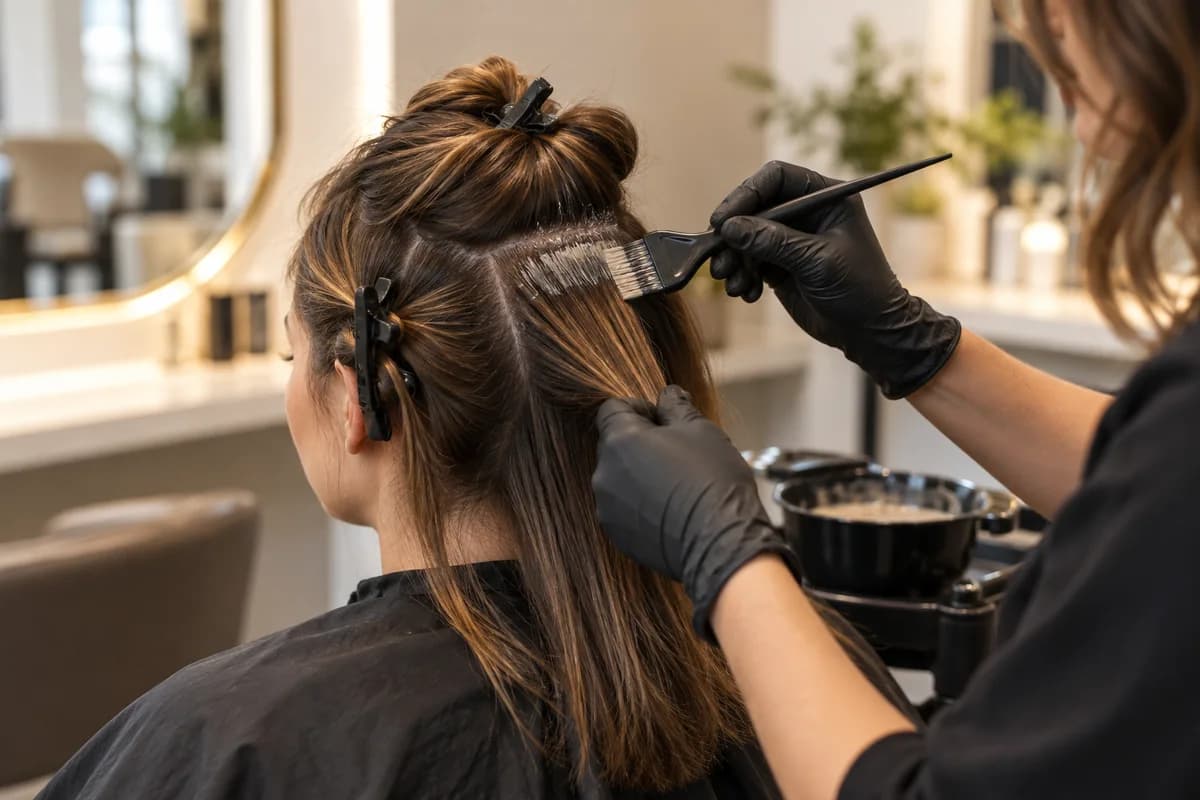
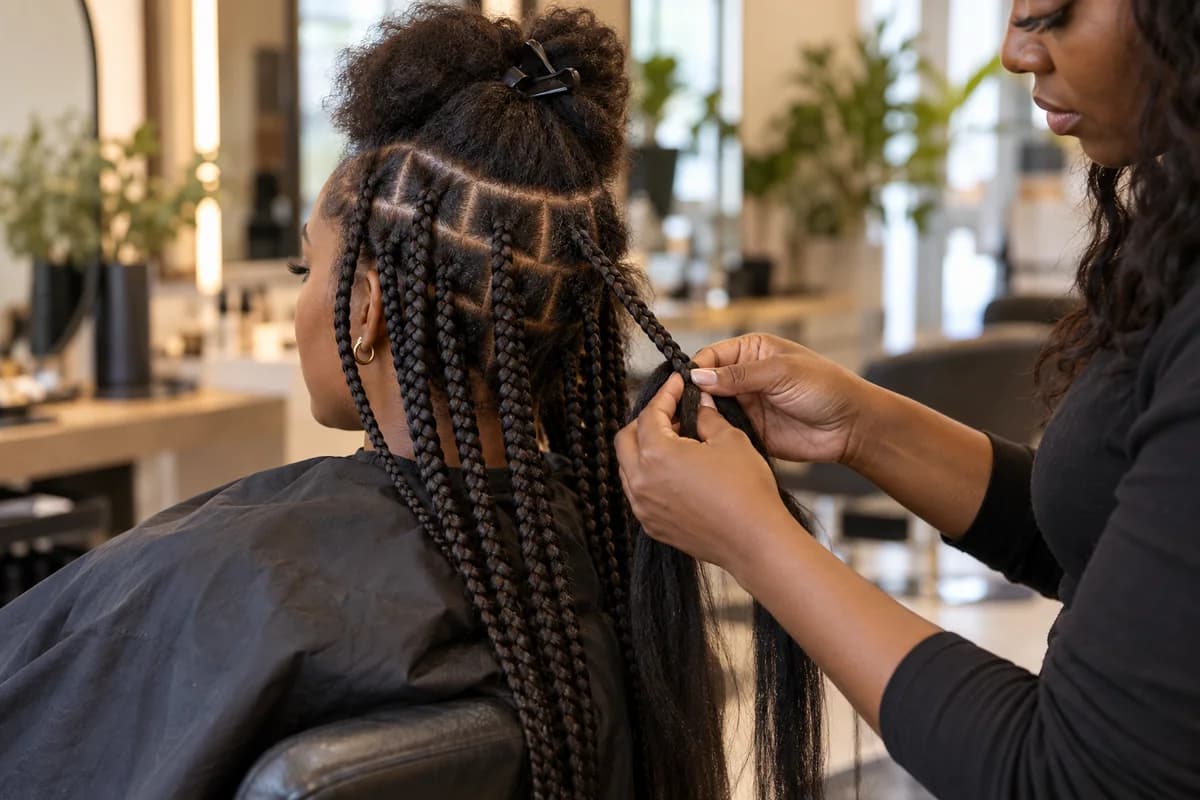
Read Pharmacillin's individual braid and weave guides, confirm supply requirements and location availability, and agree the final box braid price before proceeding. The generated imagery shows illustrative styling activity. It is not a promise of identical density, length or outcome for your hair.
Further reading: NHS: Hair loss
Common questions
Frequently asked
Is hair included in the £80 leave-out weave?
No. The supplied menu explicitly says hair is not included. Confirm the type, length, quantity and preparation required with the provider before buying hair or arriving for the appointment.
What determines the final box braid price?
The menu gives £90–£120 with the price agreed at consultation. Ask the provider to explain how your chosen style fits that range, what is included and which materials you need to supply. The website does not invent a price formula.
Should tight braids hurt for a few days?
Pain should not be accepted as a requirement of a secure style. AAD guidance identifies pain as a sign of excessive tightness. Tell the stylist promptly, ask for adjustment and seek appropriate assessment if symptoms persist or you notice hair loss.
Sources checked
Sources and further reading
Prepared by Pharmacillin for general education. Sources were checked on 6 October 2026. Confirm product-specific instructions with your stylist. Persistent scalp or hair-loss concerns need appropriate clinical assessment.