The short answer
What matters most
- Treatment depth, device or peel formulation matter more than a broad treatment label.
- Active skin concerns, medicines and previous pigment changes belong in the assessment.
- Agree recovery instructions and review milestones rather than expecting a guaranteed transformation.
Begin with the concern the procedure would address
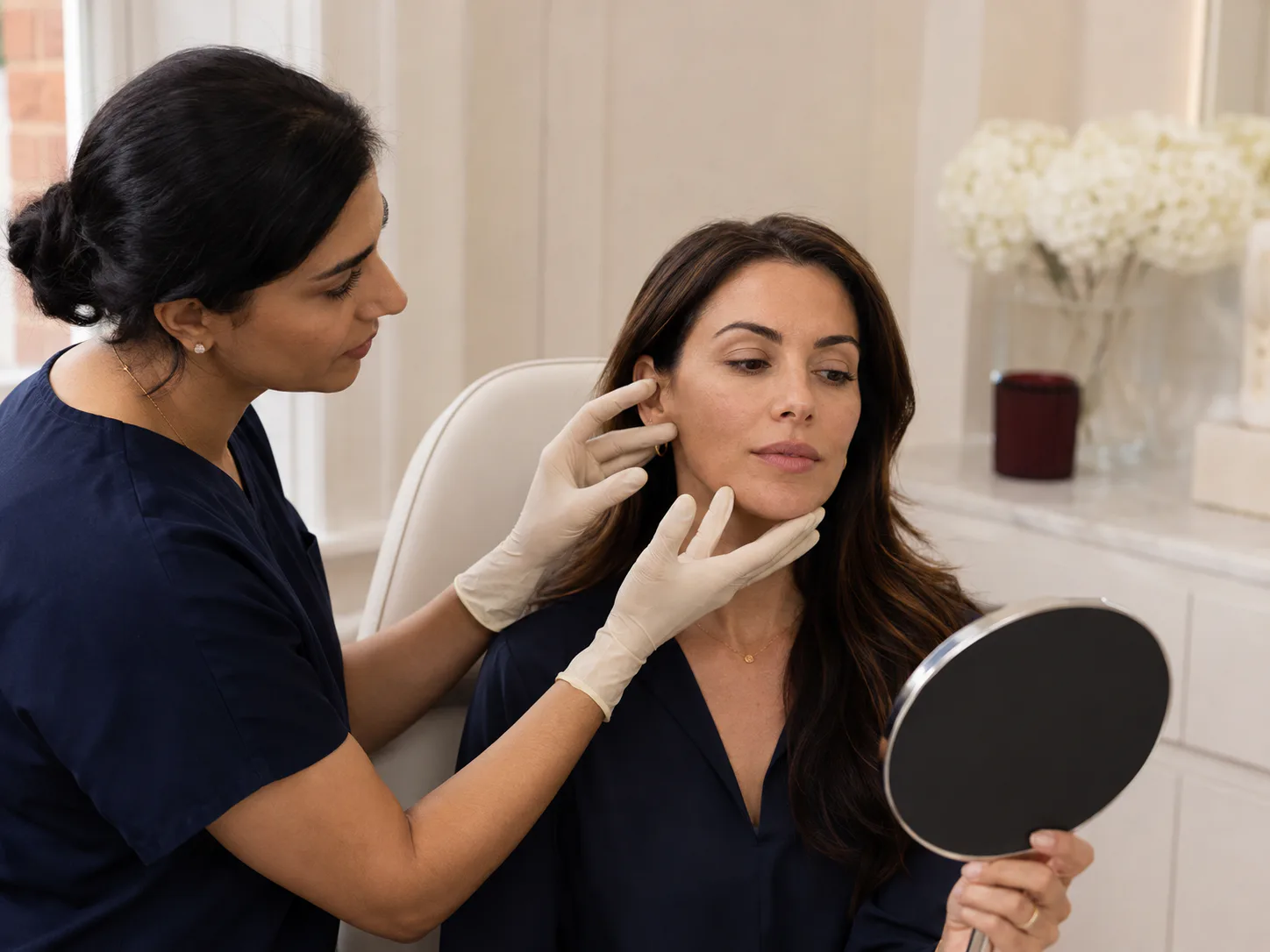
Texture, scars and uneven appearance are broad concerns. Explain which change you notice, how long it has been present and whether the skin is currently inflamed or symptomatic. A conversation about an old mark is different from one about active acne or a rash that has not been assessed.
Bring a small set of clear photographs if they help show a long-term change. Explain what you hope would improve in everyday life, not simply which procedure a friend had. An assessment may identify a suitable procedure, suggest another pathway or recommend postponing an elective treatment.
Understand the difference in the procedures
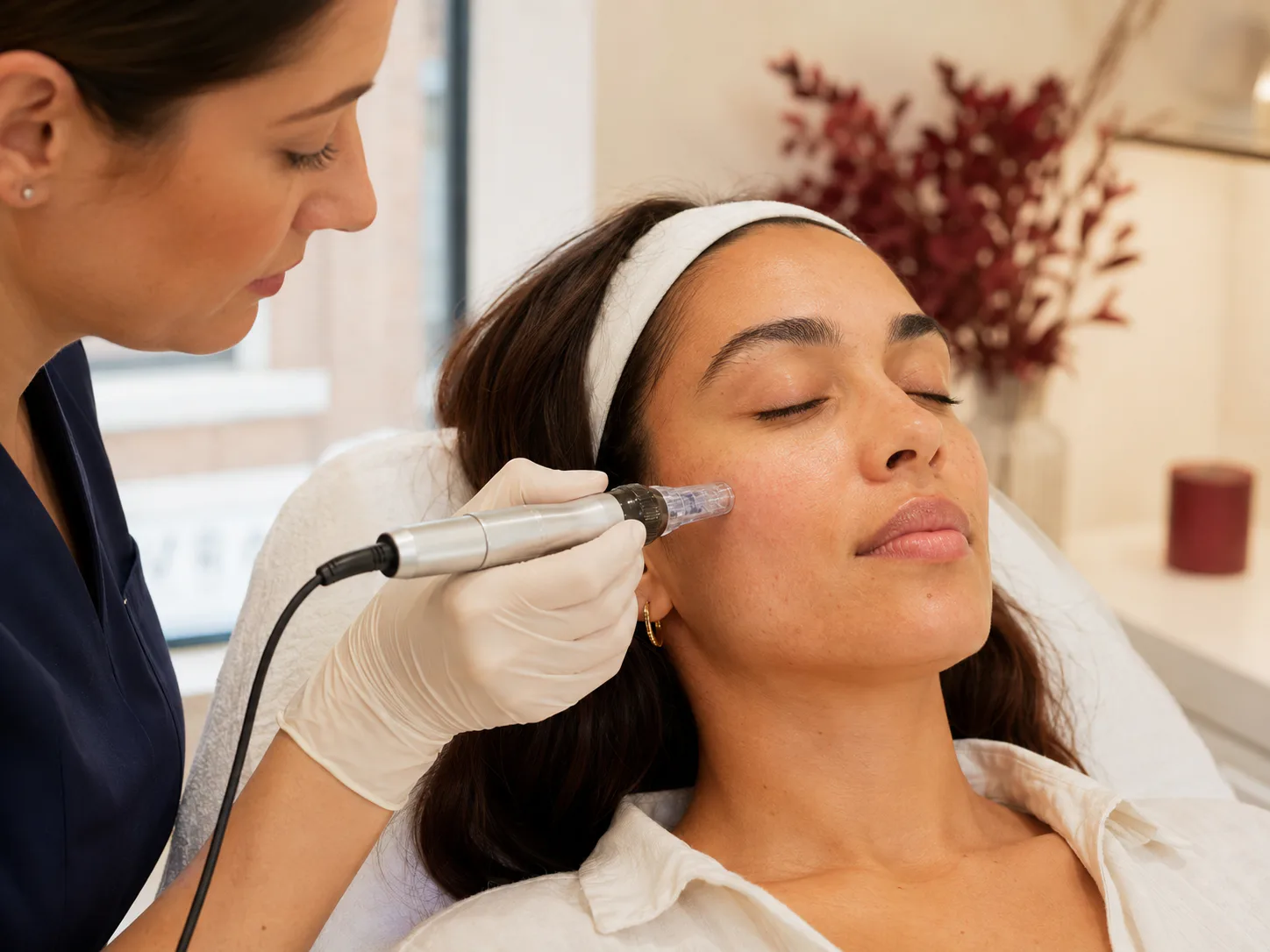
Microneedling devices use small needles; the FDA's consumer guidance explains that device design and penetration differ and that trained professional assessment matters. Radiofrequency microneedling is a different device category with additional considerations. Pharmacillin's listing does not establish that every microneedling technology is available.
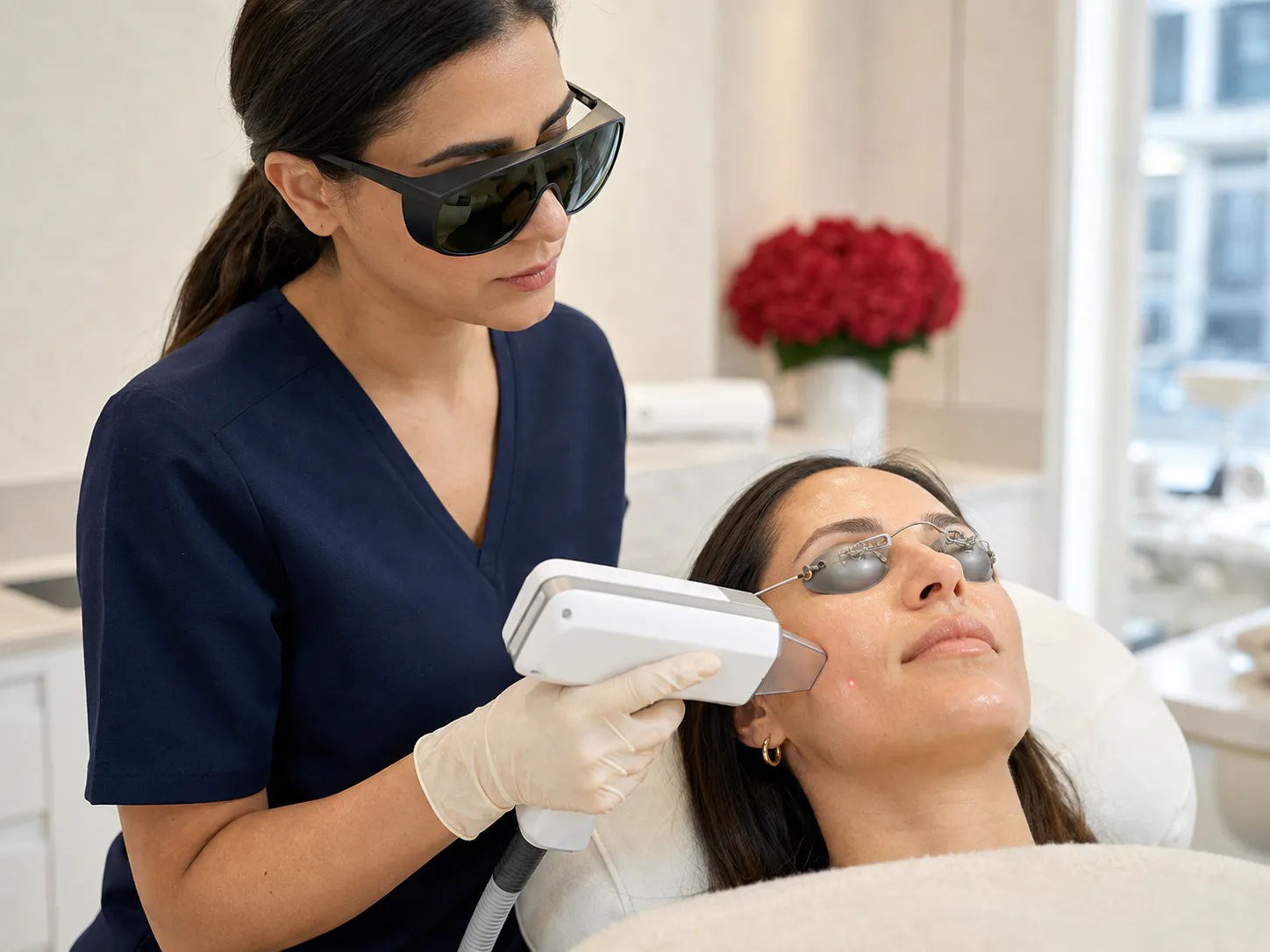
Chemical peels use a chemical solution, with the depth and recovery depending on the particular procedure. The American Academy of Dermatology describes different peel depths and healing requirements. Ask exactly what is proposed instead of assuming every peel is a mild lunchtime treatment.
Further reading: US Food and Drug Administration: Microneedling devices: benefits, risks and safety · American Academy of Dermatology: Chemical peels: frequently asked questions
Share the history that changes suitability
Give the practitioner your medicine list, allergies, previous procedures and any history of unusual healing or pigment changes. Mention ongoing skin conditions and previous reactions to numbing products or cosmetics. Do not stop a medicine or start a preparatory product without the appropriate advice.
Ask how your skin tone and previous healing experience influence the plan. Ask whether an active concern needs dermatology assessment first. The consultation should explain what makes the proposed procedure appropriate for you, including any reason to delay or choose an alternative.
Ask about hygiene and possible adverse effects
FDA microneedling guidance describes risks including infection and pigment changes and recommends checking how equipment is managed, including new needle cartridges for treatment sessions. Ask the practitioner to explain their procedure and what they do to reduce and recognise complications.
For a peel, ask about irritation, the expected degree of peeling, pigment risks and the distinction between usual recovery and a complication. A strong sensation or visible peeling is not a score of treatment quality. More aggressive treatment is not automatically better suited to your goal.
Further reading: US Food and Drug Administration: Microneedling devices: benefits, risks and safety · American Academy of Dermatology: Chemical peels: frequently asked questions
Compare recovery in your own calendar
Ask for instructions about washing, moisturising, sunscreen, make-up, exercise and other skin treatments that apply to the proposed procedure. The practitioner should explain timing rather than providing a one-size-fits-all list. Tell them about travel, outdoor work and events that make those instructions difficult.
Do not schedule around a generic promise of minimal downtime. Ask what the first few days might look and feel like, what practical changes may be needed and which symptoms merit earlier contact. Keep the written aftercare and a contact route available before the procedure begins.
Treat a course as a plan with review points
If several sessions are proposed, ask what each stage is intended to achieve, how response will be evaluated and what would lead to stopping or changing the plan. Repeating the same procedure should be a considered decision, not an automatic consequence of buying a package.
Pharmacillin lists face microneedling at £120, face and neck at £160, and face, neck and décolletage at £200. The peel guide lists light, medium and deep menu options at £90, £120 and £160 respectively. A menu entry does not establish suitability or promise that a depth is appropriate for you. Confirm the proposed method, total cost, review arrangements and any additions.
Ask which outcomes are realistic and which are uncertain. A consultation can explain possibilities, but it cannot promise that a particular number of sessions will erase scars or permanently resolve an appearance concern.
Use the two service guides to prepare better questions
Pharmacillin lists microneedling and chemical peels as separate aesthetics services. Compare their consultation guides and bring questions about your actual concern to the appointment. If the issue is active acne, eczema, redness or a suspected reaction, use the dermatology pathway to clarify that first.
Confirm availability, the specific procedure and the clinic before travelling to Brick Lane or Belsize Road. This guide discusses general principles and does not identify the devices, products or peel strengths used at a particular appointment. Those details must be supplied by the treating practitioner.
Common questions
Frequently asked
Which procedure is better for acne scars?
There is no universal answer. The practitioner needs to assess the type of concern, current skin condition, previous treatments and healing history. Ask what the proposed method can reasonably address and whether another approach or specialist assessment would be more suitable.
Can I recreate a professional treatment at home?
Do not use this guide as a home-treatment protocol. Professional procedures involve assessment, equipment or product selection, hygiene and complication planning. Stronger products or deeper needling can cause injury; discuss your concern with an appropriately trained practitioner.
Will I need time away from work?
Ask about the exact procedure and your working environment. Recovery differs by depth, treatment and individual response. Public-facing work, outdoor exposure or physical activity may affect planning, so discuss those commitments before choosing a date.
Sources checked
Sources and further reading
Prepared by Pharmacillin for general education. Sources were checked on 6 October 2026. This article does not replace an individual medical assessment.